Optimal Timing for Stone Countertop Installations
Stone countertop installations are typically scheduled during periods of stable weather to ensure proper curing and minimal disruption. Optimal timing often aligns with moderate temperatures and low humidity levels, which help prevent issues such as warping or cracking. Planning installations during these periods can lead to better adhesion and finish quality.
Spring and fall are generally ideal for stone countertop installation due to milder weather conditions, reducing the risk of temperature-related issues.
Scheduling during periods of low demand can result in more flexible timelines and dedicated attention from installation professionals.
Avoiding extreme weather events such as heavy rain or freezing temperatures helps ensure the longevity and quality of the installation.
Choosing a time with moderate humidity facilitates proper curing of adhesives and sealants used in installation.

Image depicting the cutting and fitting of stone slabs in a controlled environment.
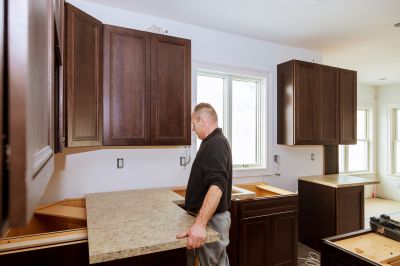
Photo of installation professionals carefully placing stone countertops in a kitchen setting.
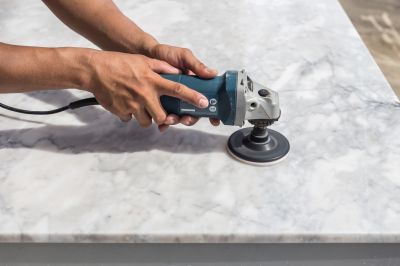
Image showcasing a completed stone countertop with polished surface.
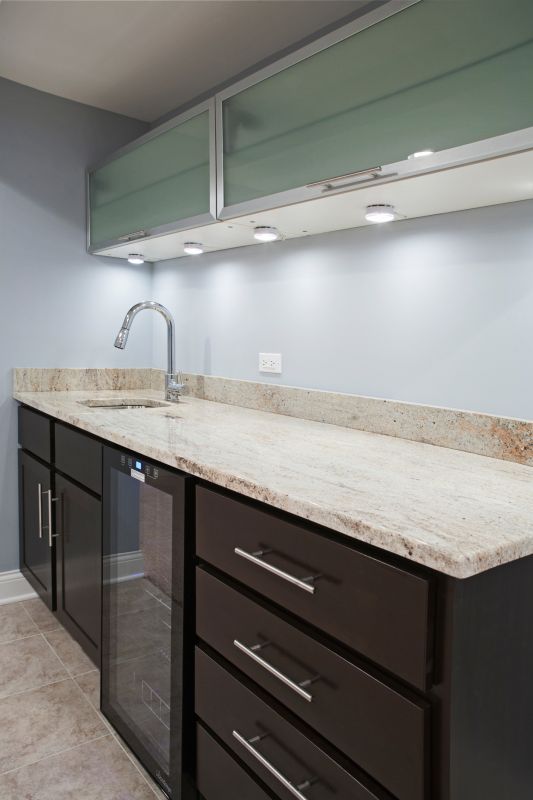
Ways to make Stone Countertop Installations work in tight or awkward layouts.

Popular materials for Stone Countertop Installations and why they hold up over time.

Simple add-ons that improve Stone Countertop Installations without blowing the budget.
| Factor | Best Timing |
|---|---|
| Temperature | Moderate temperatures are preferred for installation. |
| Humidity | Low to moderate humidity levels support proper curing. |
| Weather Conditions | Avoid installation during rain, snow, or extreme cold. |
| Project Demand | Off-peak seasons often allow for more scheduling flexibility. |
| Material Curing | Timing should consider optimal curing conditions for adhesives. |
Stone countertops are a popular choice for their durability, aesthetic appeal, and resistance to heat and scratches. Proper installation is crucial to maximize these benefits, requiring precise measurements, skilled craftsmanship, and suitable environmental conditions. The installation process involves cutting, fitting, sealing, and finishing, all of which benefit from optimal timing to prevent issues such as cracking, warping, or improper adhesion.
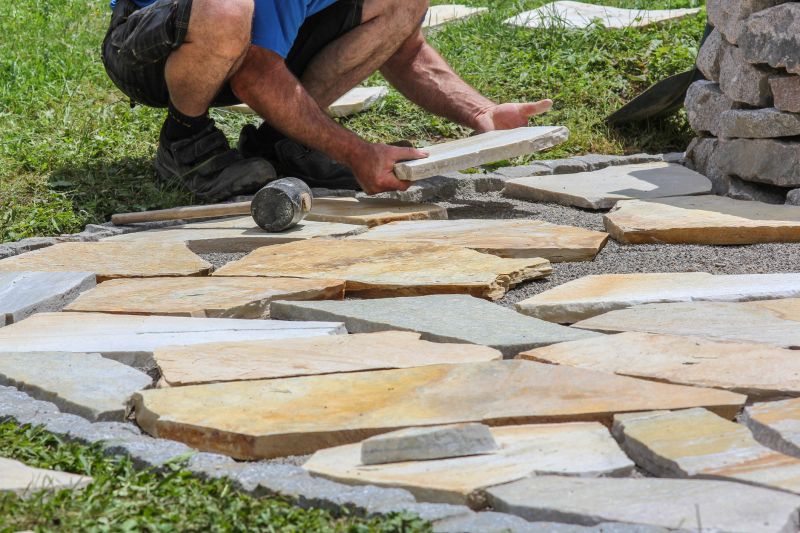
Image of stone slabs being prepared for installation.
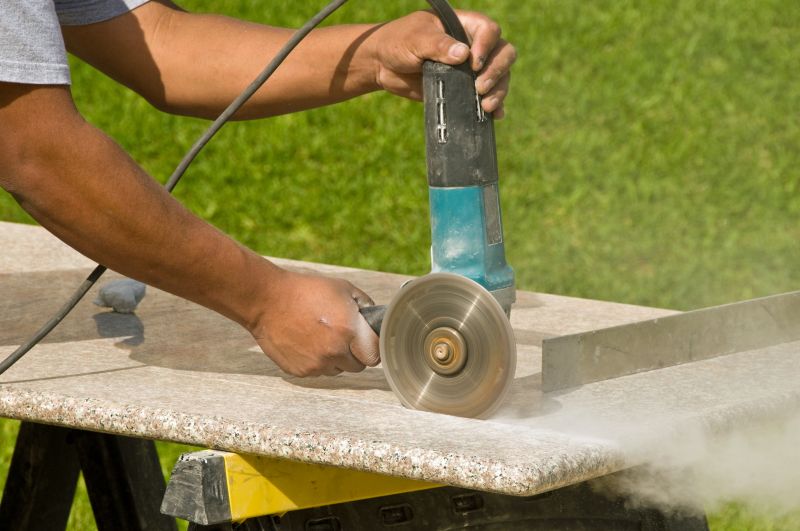
Photo of professionals measuring and cutting stone slabs.
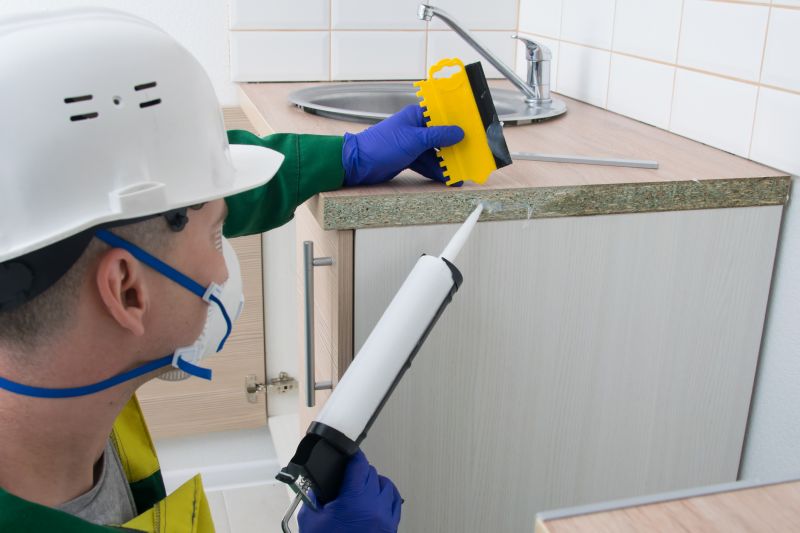
Image showing sealing process for stone countertops.
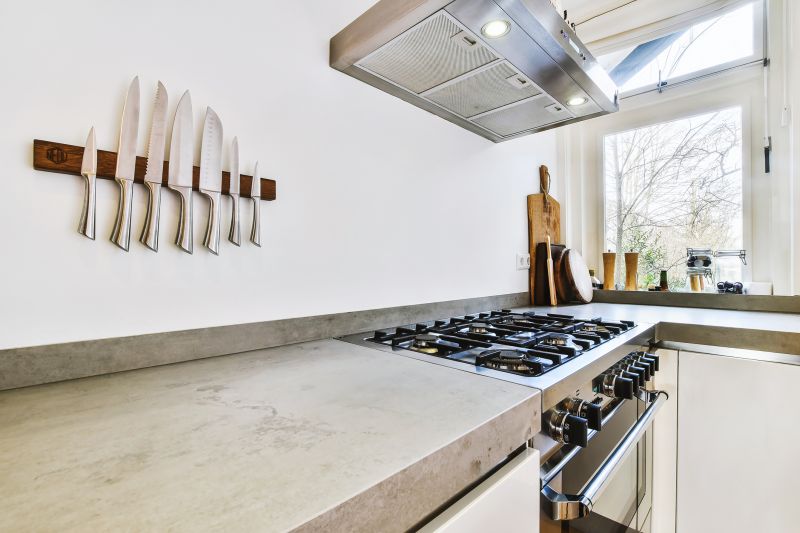
Photo of a kitchen featuring a finished stone countertop.

High-end options that actually feel worth it for Stone Countertop Installations.
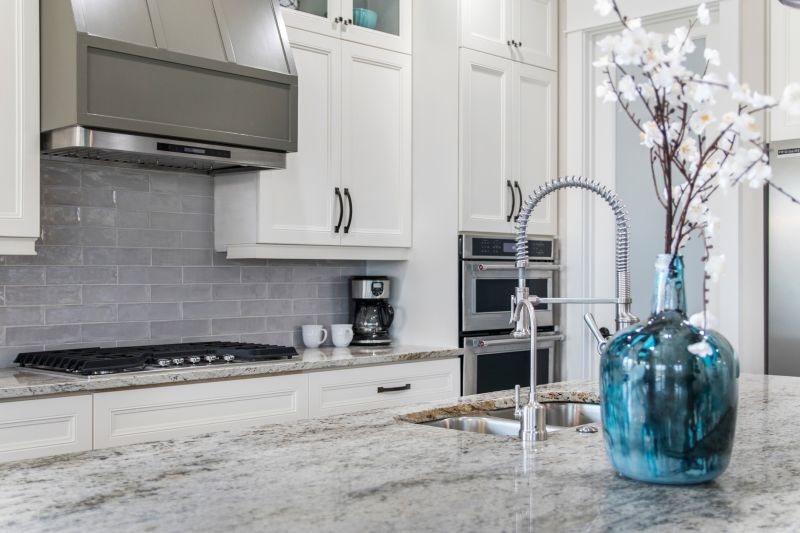
Finishes and colors that play nicely with Stone Countertop Installations.

Little measurements that prevent headaches on Stone Countertop Installations day.

A 60-second routine that keeps Stone Countertop Installations looking new.
Interested in scheduling a stone countertop installation? Filling out the contact form can help coordinate the optimal timing for a project. Proper planning ensures a smooth process and a high-quality finish that enhances the space's aesthetic and functionality.